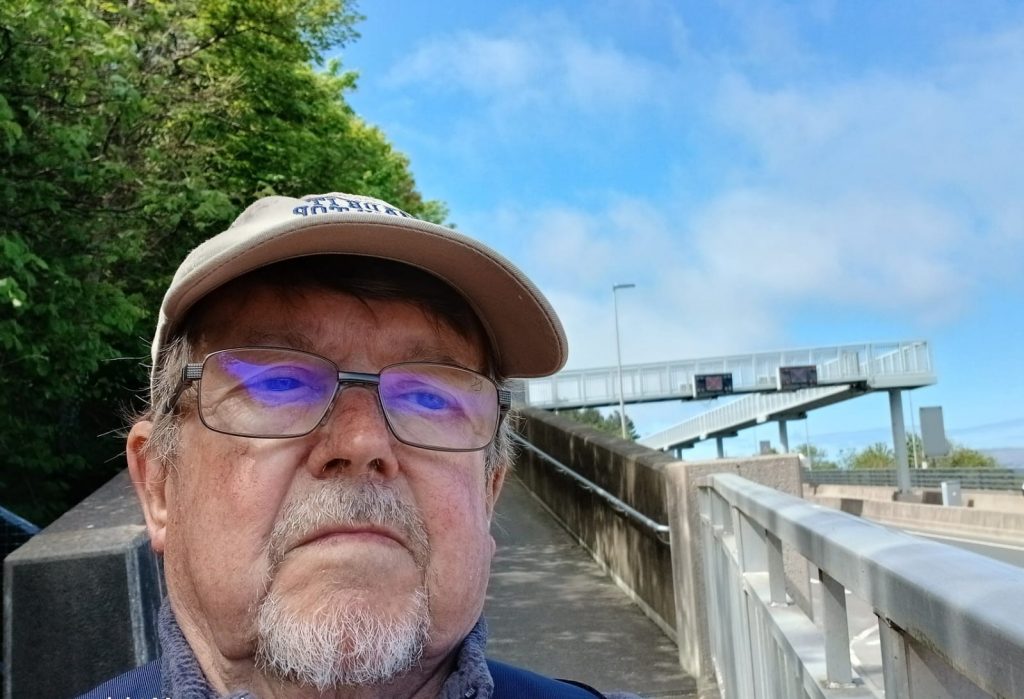
DARC Member Mervyn Jones GW1SGG

Born in 1947 and now living in Dwygyfylchi, Penmaenmawr, Mervyn has spent a lifetime serving both his local community and the wider North Wales area. His working life was rooted in highways, traffic engineering, and public service, where he became known for his reliability, technical ability, and strong organisational skills. For 25 years he shared his life with his partner, the late Ruth Belcher, a relationship that meant a great deal to him and remains an important part of his story.
Throughout his career, Mervyn developed strong practical and technical skills in traffic engineering, highways maintenance, and street lighting, as well as technical drawing and draughtsmanship. These abilities carried naturally into his voluntary work, where he became closely involved in radio communications and emergency communication support, along with search and rescue operations. He also built experience in desktop publishing and digital design, outdoor leadership, navigation and mountain craft, and the organisation of community events, all while maintaining a deep interest in local history and heritage.

Alongside his professional career, Mervyn devoted many years to voluntary service across a wide range of community and emergency organisations. He designed and produced the Dwygyfylchi Parish Magazine in a modern digital format, helping to keep local residents informed and connected.

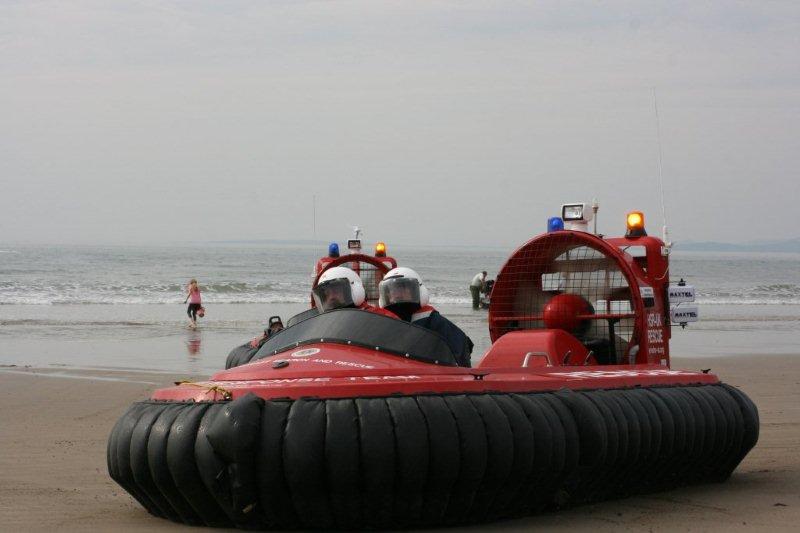
In the field of search and rescue, he was a founder member of Global Rescue Services, where he served as Secretary, designed publicity materials, and actively supported the group at events. He also assisted with search operations and training with SARDA Wales, and supported training and operational readiness with BIRD (British International Rescue Dogs). His practical approach and calm manner made him a dependable presence in demanding situations.
Mervyn also played an important role in emergency communications. As a member of Conwy County RAYNET, he provided radio support during severe weather incidents, public events, and local emergencies, ensuring reliable communication when it was needed most.

His love of the outdoors led him to become deeply involved in local walking, mountaineering, and community events. He was the founder and early organiser of the Penmaenmawr Fell Race, where he also provided safety communications through RAYNET and the Team Dolly CB Club. When Conwy Council ended its Annual Walking Week, Mervyn founded Cerdded Conwy Walks to keep the tradition alive, organising seasonal guided walks and co-leading navigation workshops. He has also been an active member of the Penmaenmawr Walking Club, the Penmaenmawr Mountaineering Club, and the British Mountaineering Council.

Mervyn has always maintained a strong connection to the heritage of his local area. As a member and contributor to the Penmaenmawr Historical and New Museum, he has supported efforts to preserve and share the history of the community for future generations.

Amateur radio remains one of his lifelong passions, and he has been an active member of several local clubs, including the Dragon Amateur Radio Club, Conwy Valley Amateur Radio Club, the North Wales Amateur Radio and Rally Club, and the North Wales Amateur Radio Group. He also serves as a committee member of the Arfon Repeater Group, continuing to support the hobby and the people involved in it.
Mervyn has always believed in learning and self-improvement, and over the years he completed a wide range of qualifications and courses that reflect both his professional career and his personal interests. His studies included construction and technical drawing in the 1960s and 1970s, followed by specialist street works qualifications in the 1990s. He also developed his computing and design skills through a series of courses at Llandrillo College, gaining City & Guilds qualifications in desktop publishing and a National InterAction Computing Award. His interests in the outdoors and radio were reflected in qualifications such as the Personal Mountain Craft certificate and the City & Guilds Radio Amateur’s Examination Certificate. He later completed an Open College Network course in understanding computers, demonstrating his continued commitment to learning new skills throughout his life.

Outside his formal roles, Mervyn enjoys a wide range of interests, including mountaineering, bird watching, desktop publishing, digital design, working with computers, Land Rovers, family history, and researching local heritage. Throughout his life, his interests and voluntary work have reflected the same values that shaped his career: practical skill, quiet dedication, and a strong sense of community.
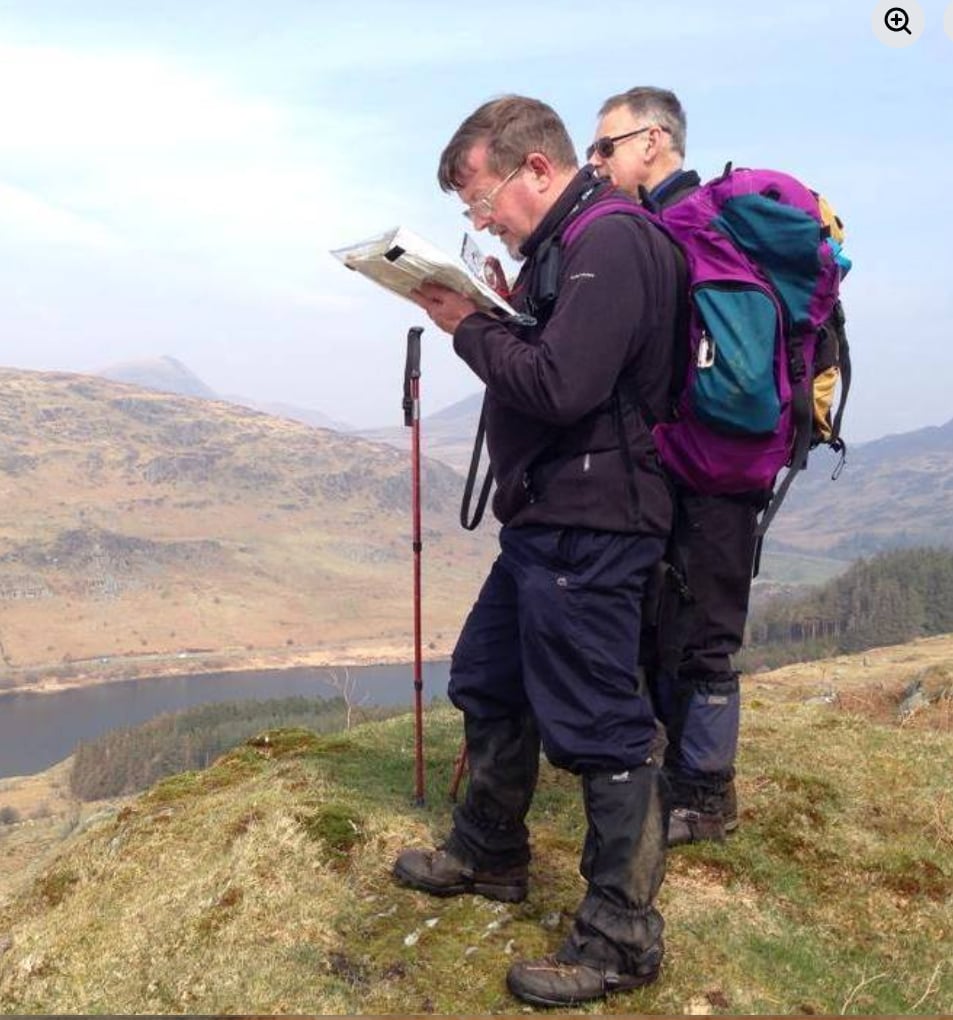

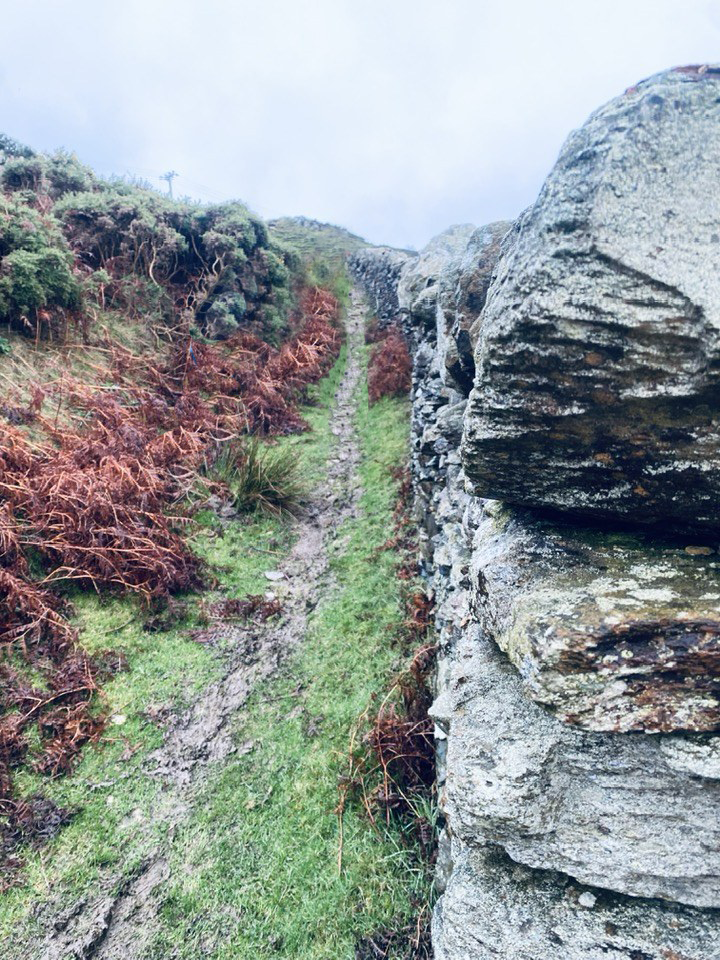
Navigation Lessons – looking over Llyn Mymber, Capel Curig

Permanent link to this article: https://dragonamateurradioclub.co.uk/darc-member-mervyn-jones-gw1sgg/

RSGB Cymru, Region 6 & 7 – 40 Metre (7MHz) Challenge

Radio amateurs across Cymru / Wales are being encouraged to get active on the 40 metre band this February with the launch of the February 2026 7 MHz QSO Challenge.

Running from 1 to 28 February 2026, the month-long activity challenges operators to make as many contacts as possible on the 7 MHz band. The event is open to individual members and affiliated clubs of the Radio Society of Great Britain within Wales, and is designed to promote on-air activity, friendly competition, and club participation.

Participants may operate from home, an alternative location, or portable, and there are no restrictions on antenna choice. Multiband, single-band, home-brew, and commercial antennas are all permitted. In keeping with the accessible nature of the challenge, operators are allowed to work the same station on different days, with each QSO counting towards their total.

Six operating categories are available, covering a range of power levels and modes: 25 watt voice, CW, and machine-generated modes, along with 100 watt voice and CW, and 50 watt machine-generated modes. Certificates will be awarded to the leading station in each category.

In addition to individual awards, a 7 MHz Challenge Trophy will be presented to the RSGB-affiliated club whose members collectively submit the highest number of QSOs. Entrants are therefore reminded to clearly indicate their club affiliation when completing the submission form.

Log submission is not required. Instead, participants simply complete a basic submission form (which you can download from the bottom of this news article) after the event and email it to Simon Taylor (MW0NWM) at rr6@rsgb.org.uk. The closing date for entries is 10 March 2026.

The organisers hope the challenge will encourage increased activity on 40 metres throughout February and provide an enjoyable way for individuals and clubs alike to test their stations and operating skills.

Permanent link to this article: https://dragonamateurradioclub.co.uk/rsgb-cymru-region-6-7-40-metre-7mhz-challenge/

Its Christmas

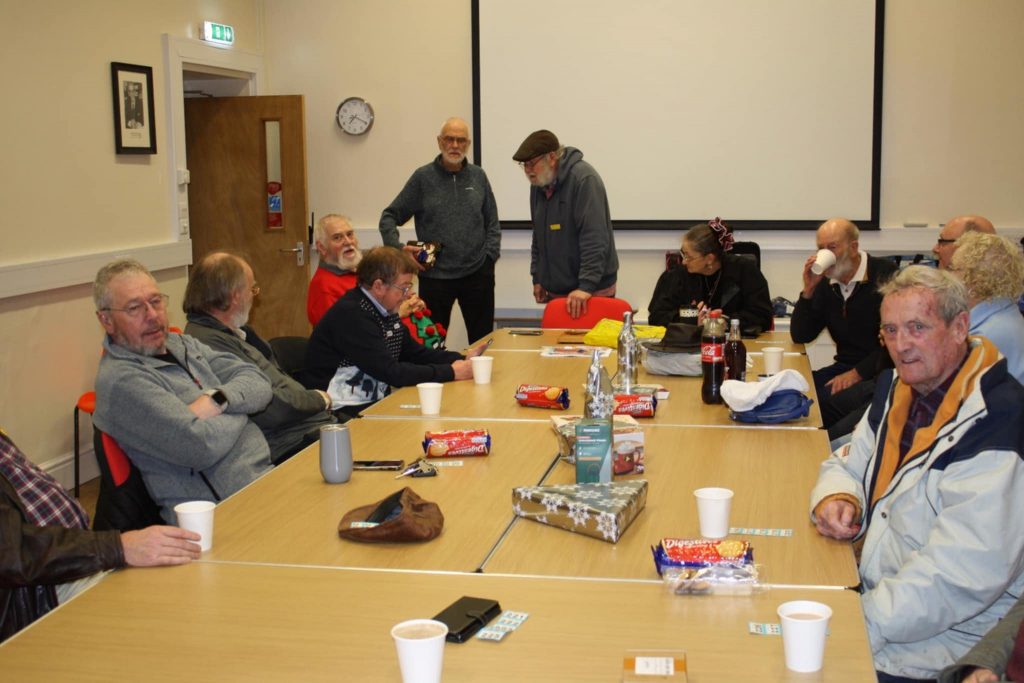
Once a year, when the mince pies are warm, the batteries are fully charged, and nobody can remember where the spare coax went, the Dragon Amateur Radio Club gathers for its most important transmission of all… the Christmas Party.

There were:

  • Questionable jumpers emitting on all frequencies
  • Tall tales about DX contacts that definitely happened (honest)
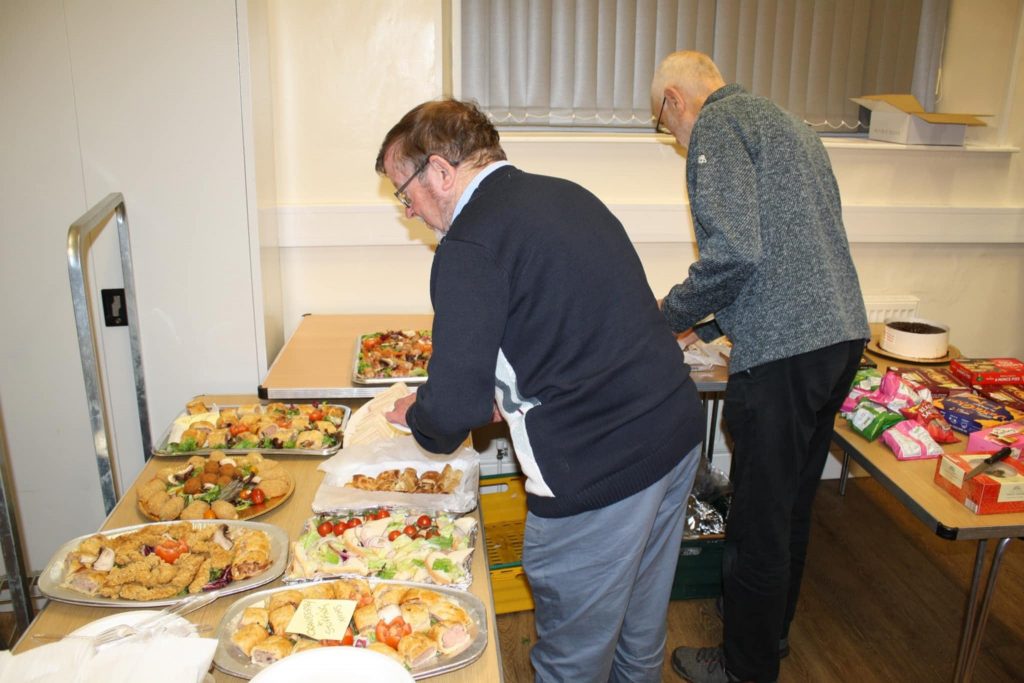
  • Buffet negotiations more complex than a contest ruleset
  • At least one member explaining radios using napkins

There was laughter, festive cheer, and the annual mystery of how many members brought “just one little gadget” and somehow need a four-way extension lead.

There was no Morse required (other than tapping for more mince pies), licences optional, good humour mandatory.

Members dusted off their callsigns, retune their Christmas spirit, and joined us for an evening of food, fun, and friendly interference.

Best wishes, 73, and ho ho ho! 🎅📡

Permanent link to this article: https://dragonamateurradioclub.co.uk/its-christmas/

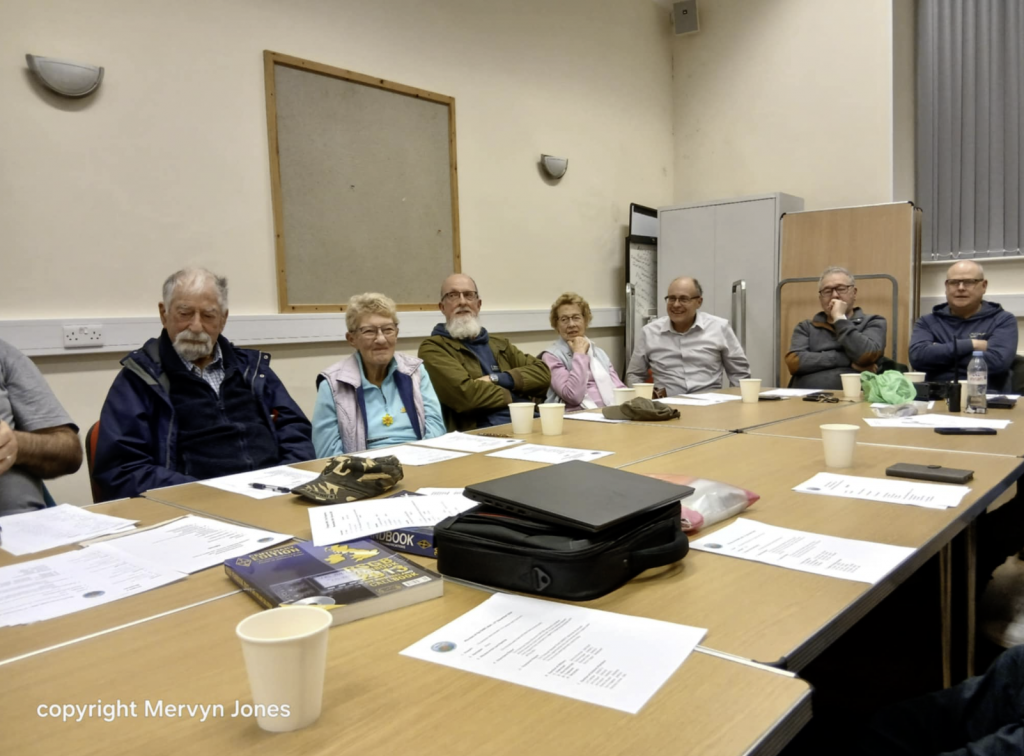
DARC AGM Nov 2025

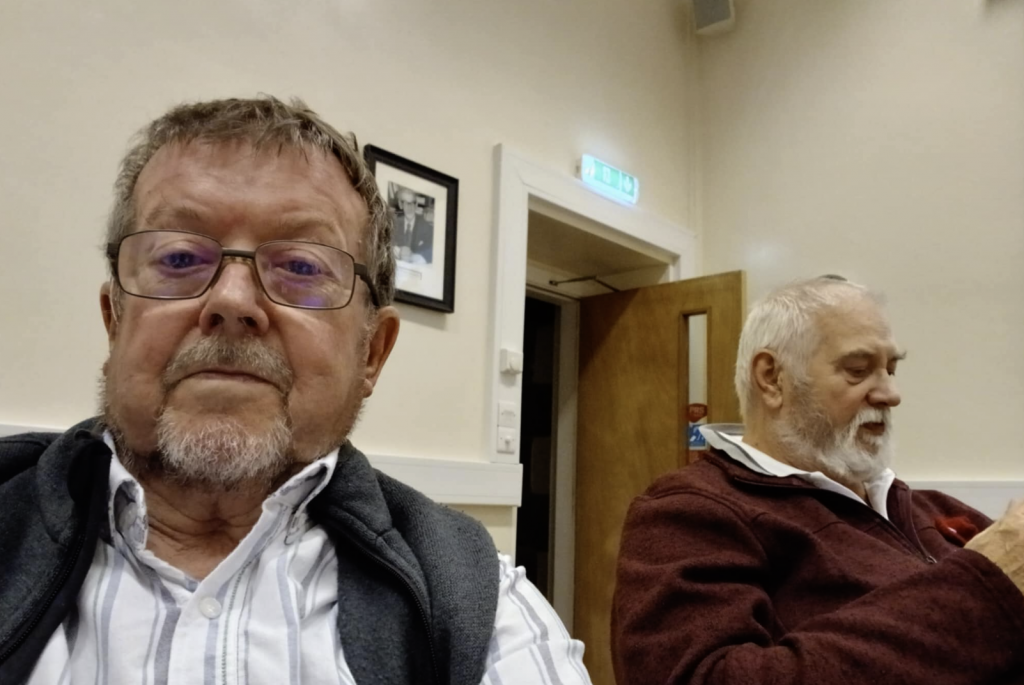
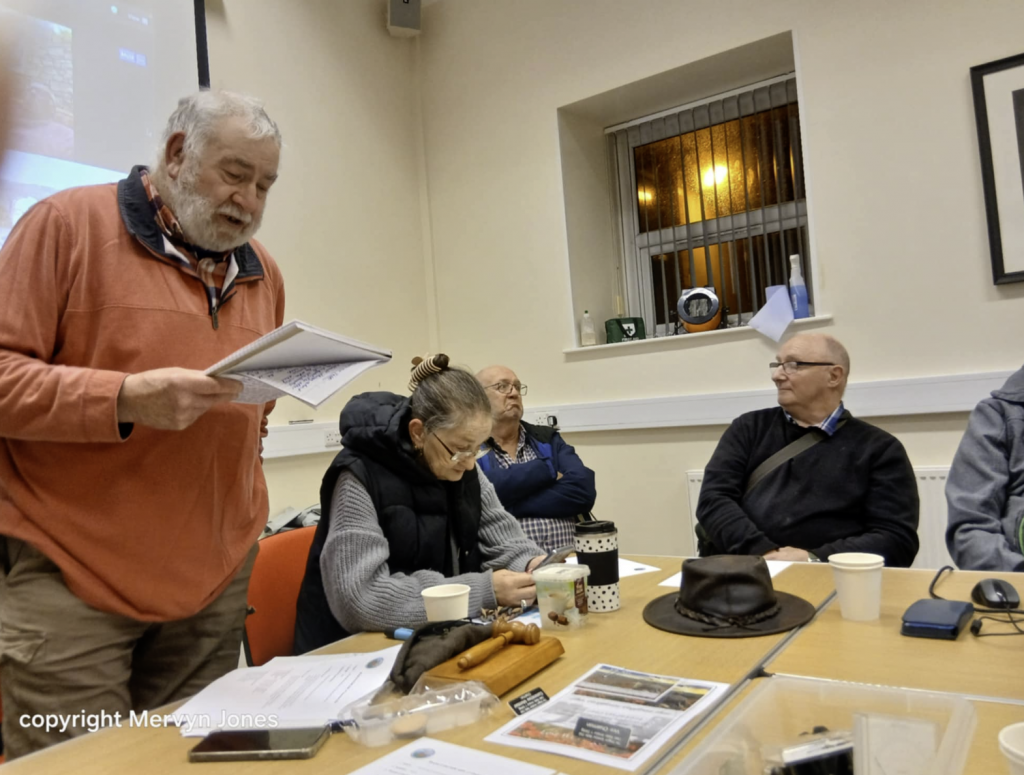
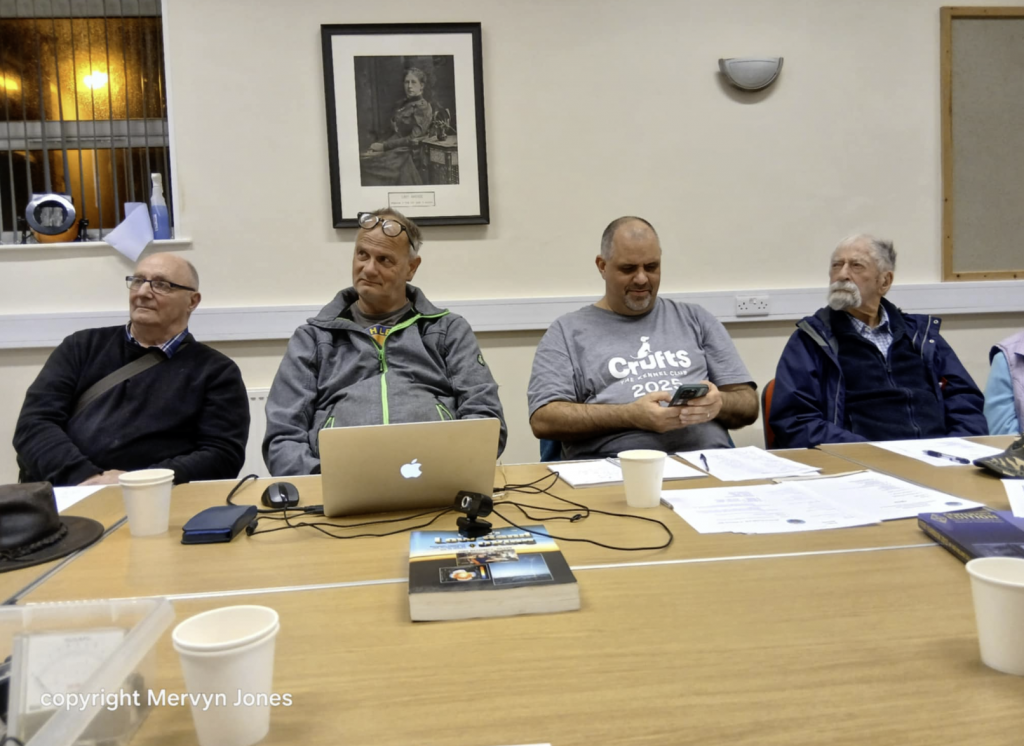
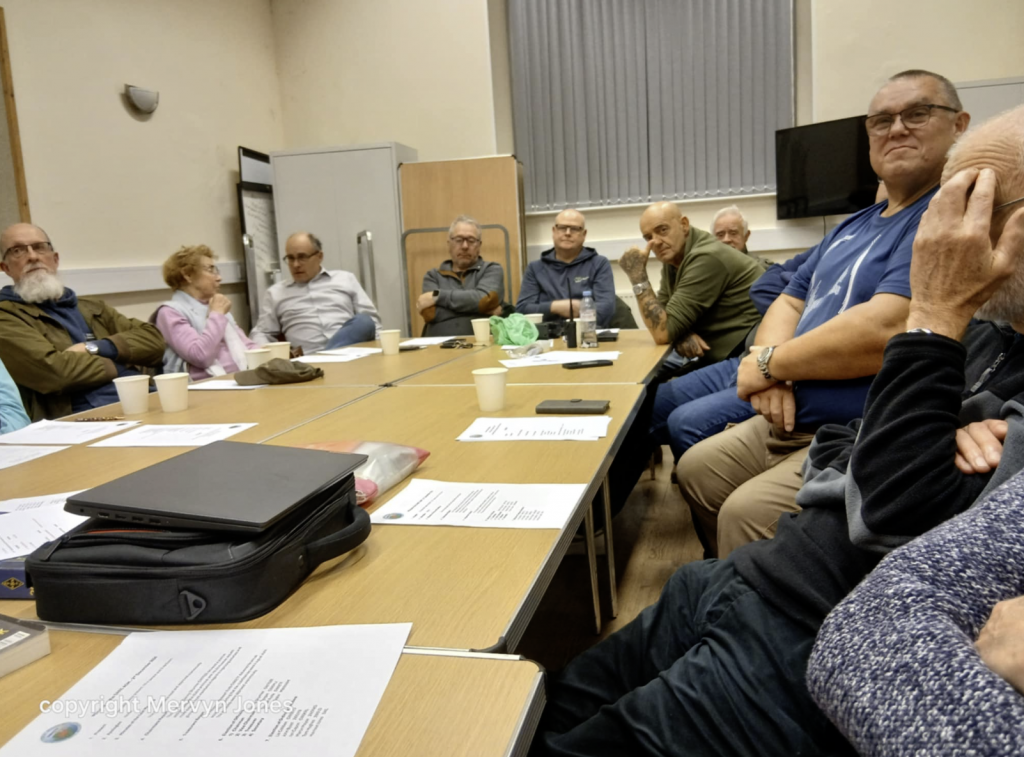
On the 3rd of November 2025 the Dragon Amateur Radio Club held its Annual General Meeting (AGM) at the Canolfan Esceifiog Community Centre, Lon Groes, Gaerwen, Anglesey, LL60 6DD and on Zoom for those unable to attend.

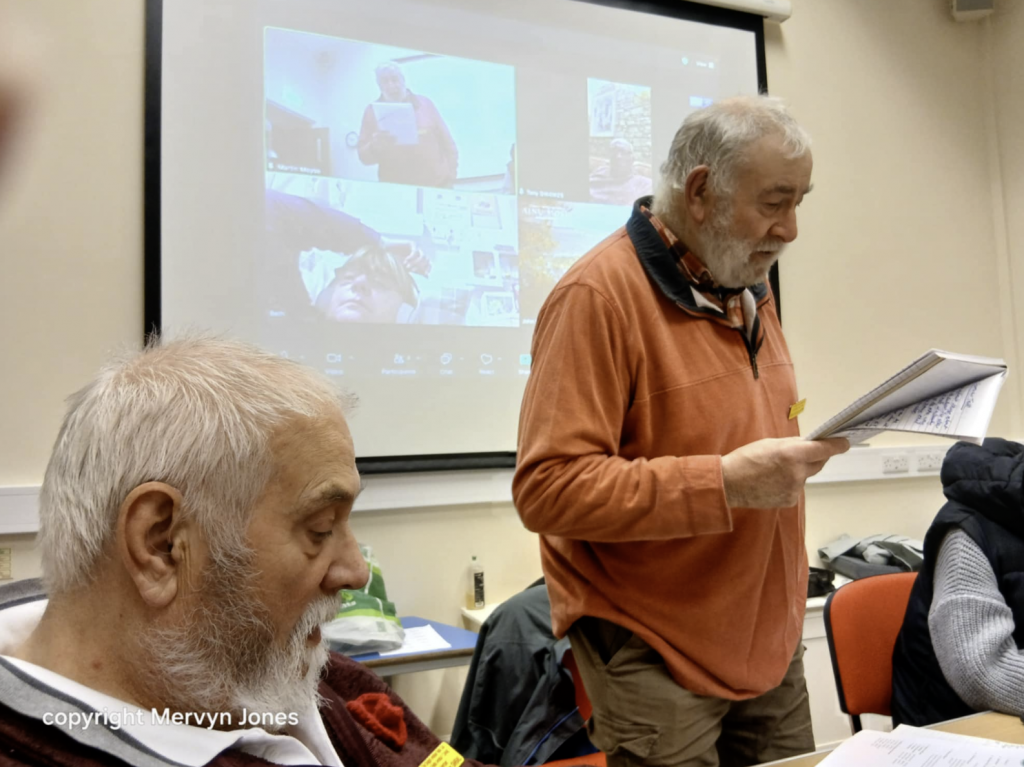
With over 22 members in attendance and 3 members attending via ZOOM this years AGM had a very positive vibe. The meeting was formally opened by the club Chairman Danny GW7BZR at 19:00hrs who gave another excellent Chairmans report before formally standing the 2024/25 committee down and handing over proceedings to the club Secretary, Simon MW0NWM. The membership then proceeded to vote on a new committee for 2025/26 which went smoothly with only a couple of committee member changes.

But what is an AGM and why do we need one?

An Annual General Meeting (AGM) is the club’s most important meeting of the year. It’s a chance for all members to come together to review what’s happened over the past year, celebrate successes, and help shape the club’s future.

At the AGM, the committee presents:

  • Chairmans report on the year’s activities, achievements and Plans and goals for the year ahead
  • The club treasurers financial summary

Members also have the opportunity to:

  • Vote on key decisions
  • Elect or re-elect committee members
  • Discuss any matters raised in Any other Business

The AGM ensures the club remains open, transparent, and run in the best interests of its members. Everyone is encouraged to attend and take part.


Photos by Mervyn Jones

Permanent link to this article: https://dragonamateurradioclub.co.uk/darc-agm-nov-2025/

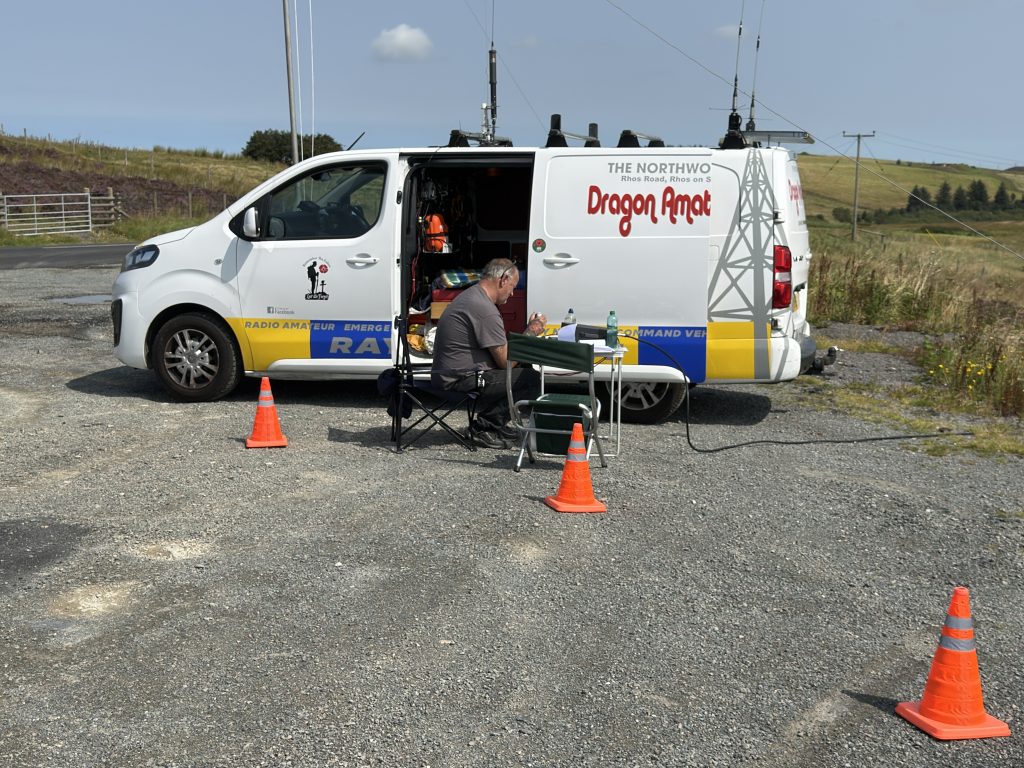
GB0VJ D Day special event station

2025 VJ Day 80th Anniversary Banner Flag Decorations Memorabilia 80 Years  Victory In Europe Flag SET (STYLE2) : Amazon.co.uk: Garden

Victory Over Japan (VJ) Day is observed annually on August 15th, commemorating the 1945 surrender of Japan and the end of World War II.  2025 marked the 80th anniversary of VJ Day.

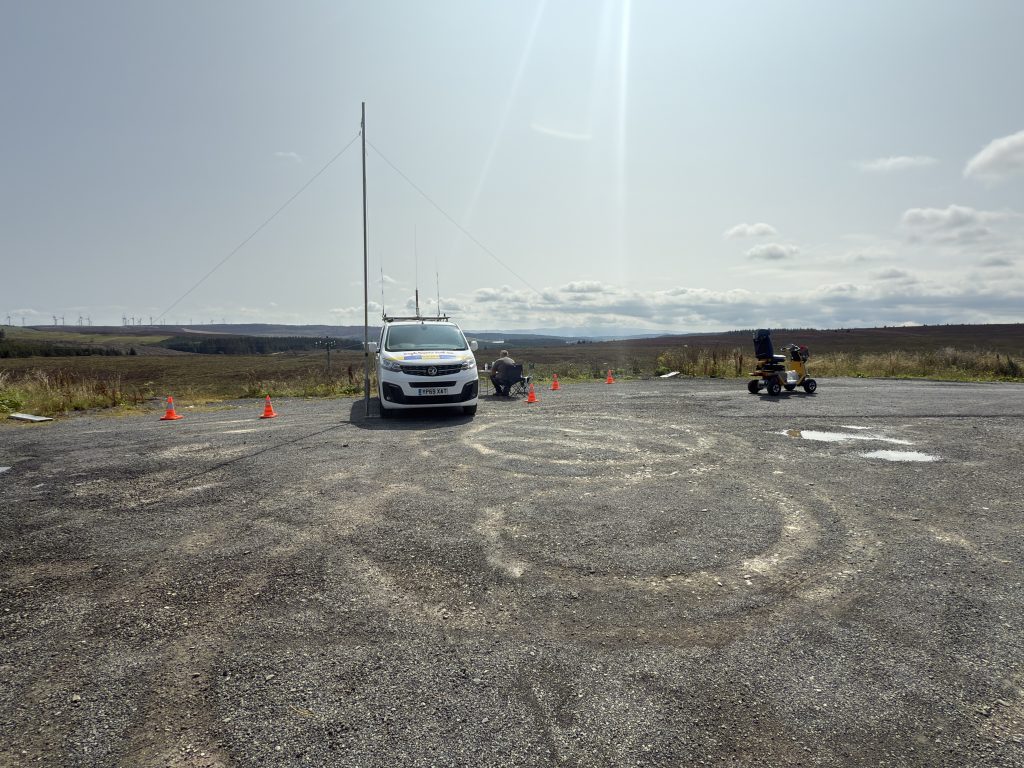
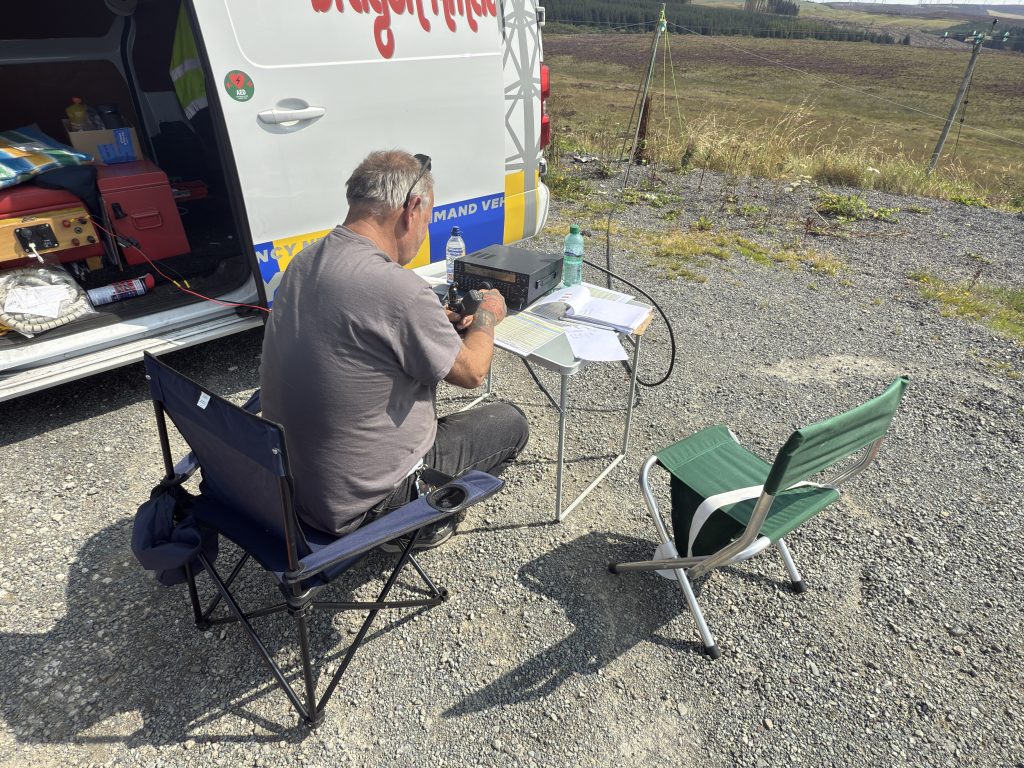
To mark the 80th anniversary of VJ Day Dragon Amateur Radio Club members David Morgan GW6MLI and Martin Moyse 2W0NKS ran a special event station from Denbigh Moors in North Wales


The station setup was a Kenwood TS590 at 100w and a Delta Loop (full wave) antenna that was only 1 meter off of the ground and was situated North South facing.

David and Martin set the station up on a beautiful spot on Denbigh Moors some 1600ft above sea level near the old Sportsman Pub. Cefn Tan Y Graig (“Cefn Tan-yGraig is on the Hiraethog (Denbigh Moors)
Maidenhead:IO83fc. OS: SJ 05730 67120. What 3 Words: appoint.fuse.tides. Post Code LL16 5SP.

The station operated between 12:00hrs and 15:00hrs making twenty contacts from stations in UK, Poland, Belgium, Germany and France. I must admit though that we did spend a fair bit of time between contacts chatting and admiring the beauty of the scenery.

Permanent link to this article: https://dragonamateurradioclub.co.uk/gb0vj-d-day-special-event-station/

GB2TD Lighthouses on the Air – Trwyn Du Lighthouse.

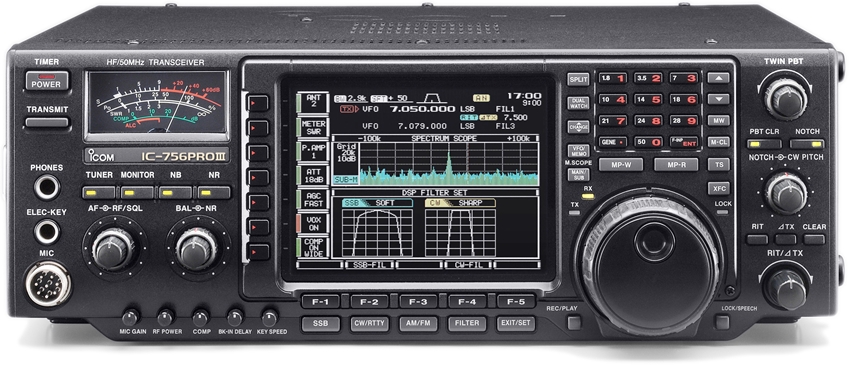
Each year, the Dragon Amateur Radio Club takes part in Lighthouses and Lightships on the Air. Our chosen location is usually close to Trwyn Du Lighthouse at Penmon, Anglesey. This year we set up on the Friday, ready to begin operating early on Saturday morning. The main station ran on a simple doublet antenna with an Icom Pro3 transceiver and computer. A second station was established with an Elecraft K3 paired with a SOTA Beams wire antenna and computer, dedicated to CW operation. For the first time, we also explored digital modes, adding a new dimension to our activities.

GB2TD went on the air at 0001 on Saturday, with the SSB station joining in from around 0400. Operations continued throughout the day and well into the night, before resuming again on Sunday morning alongside the CW and digital station.

The event was brought to a close at 1300 on Sunday due to other commitments and a shortage of operators and visitors. By around an hour later the station had been dismantled and the site cleared.

FT8 is a popular digital mode in amateur (ham) radio used for long-distance, weak-signal communication, especially in low-noise environments and during poor band conditions and involves a highly automated, pre-defined exchange of essential information like call signs and signal reports, rather than free-form conversation.  WSJY-X software manages FT8 transmissions, allowing users to make contacts even when signals are significantly below the noise floor.

Club member Stewart Rolfe (GW0ETF) dispels the myth that FT8 is somehow magical!

It is Commonly stated that “FT8 advanced software is used to decode signals far below the normal noise floor” and this leads to claims that FT8 is somehow ‘magical’.
Noise floor is 0dB and FT8 signal reports are reported relative to this, and many have figures such as -15dB which suggests the signal is buried way down in the noise.But noise figures are by convention related to a SSB bandwidth of 2500Hz. The bandwidth of a single FT8 tone is 6.25Hz (therefore 8 tones = 50Hz = bandwidth of each FT8 signal) and there is 2500/6.25 = 400 times less noise in a 6.25 bandwidth compared to SSB. 400 less in dB is -26dB. So a true sig report for FT8 should (in theory!) be increased by 26dB. Nothing magical about it….;-))

W.L.O.T.A. (World Lighthouse On The Air) is an international challenge that consists, globally to establish radio links, with and from the lighthouses in Sea, Rocks and Islands. On the weekend of 15th to the 17th August 2025 the Dragon Amateur Radio club again took part in this event from the Trwyn Du Lighthouse on Penmon Point Anglesey.

Penmon Point (2025) - All You Need to Know BEFORE You Go (w/ Reviews &  Photos)


The Trwyn Du lighthouse is situated on a low-lying rock surrounded by shingle beaches about half a mile south of Puffin Island. The circular stone tower is distinguished by three black bands. It was built in 1838, stands 22m heigh with the light 19m above mean high tide water. The lighthouse was originally manned by two keepers but became fully automated in 1922. It has a 1st Order catadioptric fixed optic producing a light intensity of 3,088 candela. Trwyn Du Lighthouse was converted to solar power in 1996, work to modernise the station included the development of a unique operating mechanism to work the 178kg fog bell. The lighthouse is now monitored and controlled from Trinity House’s Planning Centre in Harwich, Essex.

Permanent link to this article: https://dragonamateurradioclub.co.uk/gb2td-lighthouses-on-the-air-trwyn-du-lighthouse/

The RSGB CW Field Day – June 7/8th 2025 by Stewart Rolfe GW0ETF

I found myself free for this year’s contest and thought, why not dust off the official club call GW4TTA and let it sing on the airwaves once again? I decided to do it properly — truly portable (hence GW4TTA/p), going back to basics with no internet cluster crutches, no comforting hum of mains power, and just a single temporary antenna standing proudly against the elements.

The entire station was built from the ground up on Saturday morning at “Draughty Towers,” the wonderfully breezy QTH of Les, MW0SEC. There’s no such thing as a Field Day without a proper field, and thanks to Les generously offering up his patch of grass (plus a prime parking spot for my campervan shack), I had the perfect base of operations.

By 1500 UTC, everything was ready — the antennas straining skyward, the gear humming, and the spirit of adventure in full swing. There’s something exhilarating about starting from scratch and embracing the challenge head-on. It was radio in its purest, most liberating form — and I loved every minute of it.


This was only ever intended to be a low key ‘have some fun’ effort. For one thing I decided to forget the hassle of 160m capability. CW Field Day includes 160m unlike the SSB version in September and I would lose many points because contacts on this band score double points. The antenna used was a Sotabeams 40/30/20m linked dipole to which I added an extra ~9m link on Saturday morning to cover 80m; you may be able to make out the links in the above photo. 

Weather was cloudy but dry so trimming these for resonance was easy with my NanoVNA. Total length was around 40m and fitted comfortably into Les’s field, held aloft on a heavy duty 7m telescopic pole which could easily be retracted to access the links when changing bands. Being effectively a dipole rather than a tuned doublet on the main bands the antenna was run N-S for principal east/west lobes. Radio was a spare K3 with the internal ATU used for 10m and to squeeze out 4 contacts on 160m with the 80m dipole link; it was also used on 15m when feeding the 40m dipole as the SWR was slightly high despite being basically resonant at 3/2 wavelengths. Power was near 100w but reduced when I knew the swr would be high at the feed point such as 160m and threatening to burn out the tiny choke balun. Electricity was supplied by my small Honda generator and logging was done with Dxlog software on my laptop. Barring an issue with a dodgy headphone connector still to be investigated everything ran pretty smoothly and I even grabbed a couple of hours sleep in the ‘dead hours’.

Conditions were good enough to keep me reasonably busy much of the time. This contest runs in synchrony with the IARU Region 1 CW Field Day organised by the German national organisation and there are always plenty of German portable stations on for the 24 hours. It’s basically a European contest with a smattering of North Americans and occasional DX which for me was a solitary 5Z4VJ in Kenya. It’s also essentially a club group contest but there were a handful of single operator entries normally due to a shortage of CW operators. My claimed scores were posted on the Facebook page after the contest and repeated here (Photo2) but the official final scores after adjudication have just been published and it’s these that tell the real story that don’t normally get seen –


My QSO total has gone down from 773 to 768 due to 5 broken exchanges (‘busts’) with the points reducing from 284,088 to 281,160. All this is explained to entrants in a personalised error report shown in the photo below which also shows the error rate compared to the average for all entrants.

There’s more satisfaction to be gained from contesting than simply winning….!

Stew GW0ETF (operating GW4TTA/p)

Permanent link to this article: https://dragonamateurradioclub.co.uk/the-rsgb-cw-field-day-june-7-8th-2025-by-stewart-rolfe-gw0etf/

All about the ‘Antarctic Midwinter Broadcast’ by Simon MW0NWM

Each year during the Antarctic Midwinter, the BBC World Service broadcast a special programme called the ‘Antarctic Midwinter Broadcast’. The programme is specially broadcast for the around 40 scientists and support staff of the British Antarctic Survey who are enduring the harsh polar midwinter.

The first Midwinter Broadcast was in 1955, meaning that this years broadcast marked the 70th anniversary of this unique programme. To mark the occasion, King Charles III sent a message as part of the broadcast, which was transmitted on the 21st July.

But why am I telling you this?Some of you may remember a talk given to the club on Zoom last year by friend of DARC, Matt Porter G8XYJ, titled ‘a Day in the Life of a Shortwave Broadcast Engineer’. Well Matt was on duty at the only remaining shortwave transmitter site in the UK, namely Wooferton on the evening of Saturday 21st July, and he wrote:“An evening shift for me today! Making sure that the BBC World Service Mid-Winter Antarctica Special on 12065kHz is transmitted from Woofferton, Shropshire, UK to all those working for the British Antarctic SurveyVery proud to be part of this!”As you can see from the pictures attached, the Croatian built RIZ Sender (Transmitter) number 96 was used for the broadcast on 12.065.000 MHz.

Matt messaged me with the following information about the type of transmission used.Matt said, ” It was at 250kW AM for tune up, then when on air, it changes to AMCAM compandingThis works that when you have modulation, the carrier drops by 6dB whilst the sidebands are high, then when there is silence the carrier returns to 250kwBasically, when they’re speaking, you are getting PEP of 250kw as the carrier drops by 6db to 62.5kw, bug ten sidebands means that you times that by 4 to get 250kwIt’s all about energy savingIf it was 250kw carrier all the time, you would be pushing 1MW at peak A recording of the 2025 Antarctic Midwinter Broadcast can be found at:voice https://www.bbc.co.uk/programmes/w3ct7zyv

Permanent link to this article: https://dragonamateurradioclub.co.uk/all-about-the-antarctic-midwinter-broadcast-by-simon-mw0nwm/

DARC Member John Byast (2W0JYB)

The Dragon Amateur Radio Club has many members with a hugely diverse skillset. John is indeed another of these members who has a wide range of interests and hobbies other than Amateur Radio.

John is a passionate walker and living in North Wales offers him some of the best walks in the UK ranging from coastal paths to mountain trails. The Anglesey Coastal Path provides stunning sea views and diverse landscapes, while the Mawddach Trail offers a beautiful, traffic-free route along the estuary. For mountain adventures, the Snowdon Horseshoe and the Watkin Path are popular, though challenging.

Another interest that John has recently discovered is laser and wood cutting which has led him to join his local craft shop. Unlike a traditional Carbon Dioxide (CO2) laserJohn uses a powerful LED laser, or diode laser.

These work by using a semiconductor to convert electrical current into a focused beam of light. Unlike a regular LED, which emits light through spontaneous emission, a laser diode uses stimulated emission to produce a highly coherent, monochromatic (single wavelength) beam. This process involves an optical cavity and mirrors to amplify the light, creating a powerful, narrow beam which due to its intensity can easily burn wood. Adjusting the power of the laser allows the user to either lightly engrave the material surface or indeed cut right through it!

John has made a range of gift items for people all over the country since joining the craft shop ranging from clocks, to amazingly detailed jewellery boxes.

Permanent link to this article: https://dragonamateurradioclub.co.uk/darc-member-john-byast-2w0jyb/

Exploring the Best Amateur Radio Websites

A club presentation by Simon MW0NWM


While amateur radio is, at its core, a hobby centred around communication via radio waves, there’s a whole world of helpful websites out there.

On Monday the 2nd June 2025 Simon MW0NWM gave a talk at the Dragon Amateur Radio Club highlighting some of the best websites that he had found useful or interesting ad then asked club members for other suggestions. A lively discussion followed and some members left our meeting place in Gaerwen with new resources to explore online!

Below, and on our Links page you will find many such websites offering advice and activity guides to handy tools and technical explanations. We are sure that if you trawl through the internet that you’ll find plenty of online resources to support, inspire, and occasionally confuse you — in the best possible way.

Of course it goes without saying that if you know of any useful amateur radio websites please email our webmaster with the website details so that it can be added to our ever growing links page.

Summits on the Air (SOTA)
Summits on the Air is an award scheme for radio amateurs that encourages portable operation in mountainous areas. This site gives an introduction to this popular mountain topping scheme.
https://www.sota.org.uk

SOTAWatch
The SOTAWatch website lists all those SOTA spots highlighting who is on air at any time, plus it includes a list of alerts for those planned activations, helping you to chase down an operator on a mountain you have never worked before.
https://sotawatch.sota.org.uk/en/

Sotadata3
The Sotadata website lists all the qualifying mountains in each association area, helping you to locate who you are talking to.
https://www.sotadata.org.uk/en/

HEMA
If you enjoy your walking and operating, but don’t always want to go up the highest of mountains and hills, then this website and award scheme opens up literally hundreds of alternative summits for you.
http://www.hema.org.uk

UKBOTA
Another opportunity to operate portable, from a historical site many of which are accessible with little or no walking. The UKBOTA scheme is a relative newcomer that is proving popular.
https://bunkersontheair.org/site/

WWFF (World Wide Flora and Fauna)
Over 36,000 areas of the world with valuable Flora and Fauna are already registered in this scheme which is very popular in mainland Europe. I suspect many of you have heard someone on 14MHz calling CQ WWFF!
https://wwff.co

World Castles Award
Don’t fancy hill walking, but do enjoy portable operating? What better than setting up at or near a castle or castle ruin?
https://wcagroup.org

POTA (Parks on the Air)
Another scheme which has taken the amateur radio portable operators world by storm, there are literally hundreds of parks registered in the UK and thousands around the world. Will you be calling CQ POTA on 28MHz?
https://parksontheair.com/index.html

Portable Operating Mapping Resource (UK Portable Ham Map)
Zoom in on your location and it will give you your current Maidenhead locator. Various layers of information can be added including nearby SOTA Summits, BOTA locations, Triangulation pillars, repeaters and far more which is useful to the portable or visiting operator. Do take a look!
https://kwirk.github.io/pota-gb-map/

Real Time Lightning Map
Does the weather forecast predict thunder and lightning? Perhaps you have heard static crashes on HF and you want to see where the storm may be, then either of the sites listed above will prove useful.
https://www.blitzortung.org/en/live_lightning_maps.php

Cluster (DX Summit)
What is a cluster? Quite simply you can see who has been heard on the bands. You can search by band or just look at the full list. Calling CQ and getting no reply, then perhaps spot yourself on the cluster to let people know you are there! Some people consider it cheating, but I believe that anything that helps you make a contact is a very useful tool indeed.
http://www.dxsummit.fi

Propagation
Have a look at various bands and map areas to see the kind of contacts being made and the suggested mode of propagation. Propquest is the really useful propagation prediction website created and authored by well known amateur and former BBC continuity announcer Jim Bacon G3YLA. It contains very useful forecasts for the various propagation modes.
https://www.propquest.co.uk/⁩

Hack Green Web SDR (Software Defined Radio)
HF online receiver located at the Hack Green Secret Nuclear Bunker in Cheshire. Very useful if you have high noise at home and cannot hear weaker stations, plus listen to your own signals!
https://hackgreensdr.org⁩

Weston Kiwi’s On Air SDR (Software Defined Radio)
Another useful SDR receiver based in Weston Super Mare.
http://kiwisdr.com/.public/

G3CWI’s Amazing Online Flea Market
Second Hand Amateur Radio Equipment Sales
https://pub29.bravenet.com/classified/show.php?usernum=2477864602

Permanent link to this article: https://dragonamateurradioclub.co.uk/exploring-the-best-amateur-radio-websites/